Durack, Queensland, Australia | 2020 | 32 acres | Featured in Dog World Magazine (January 2021, pp. 29 & 33)
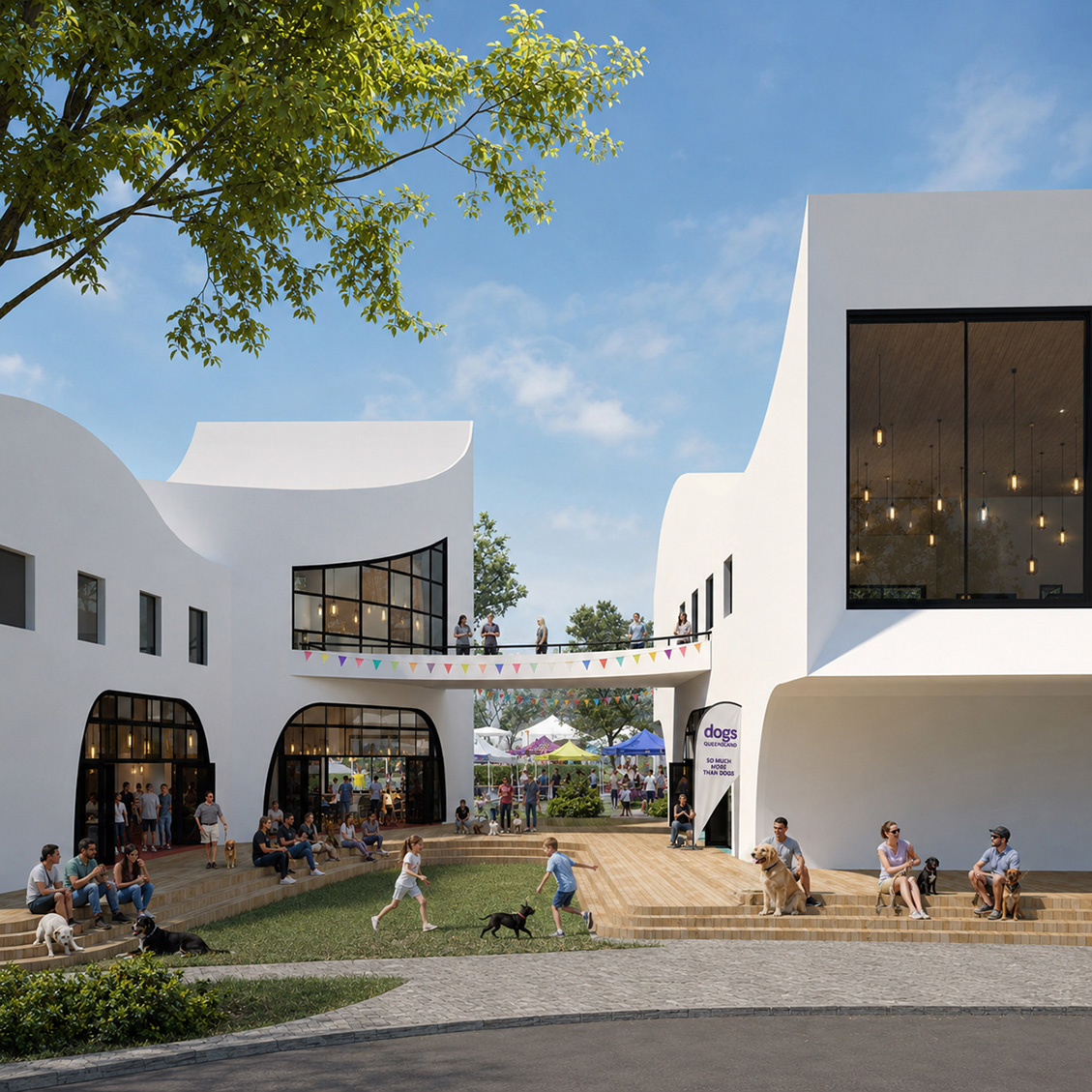
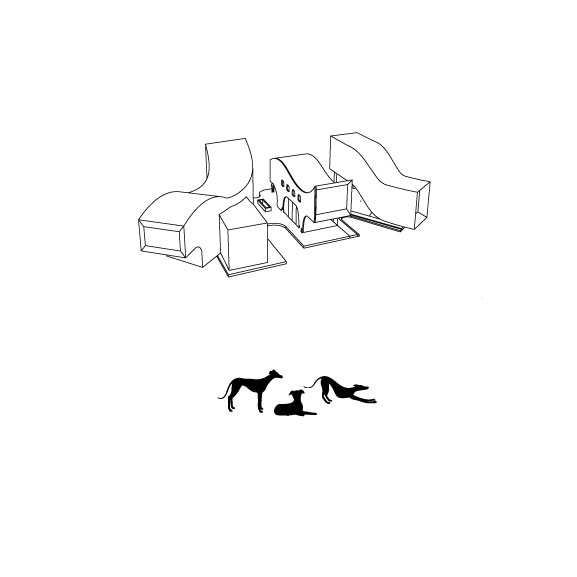
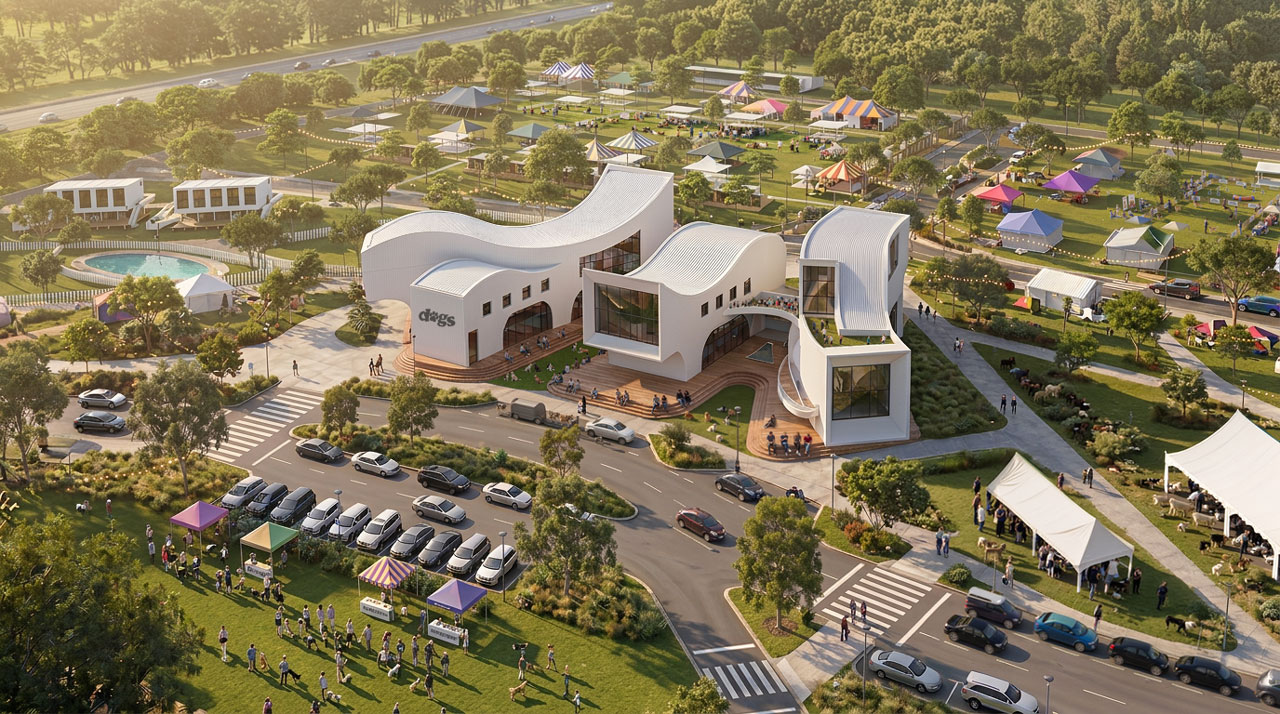
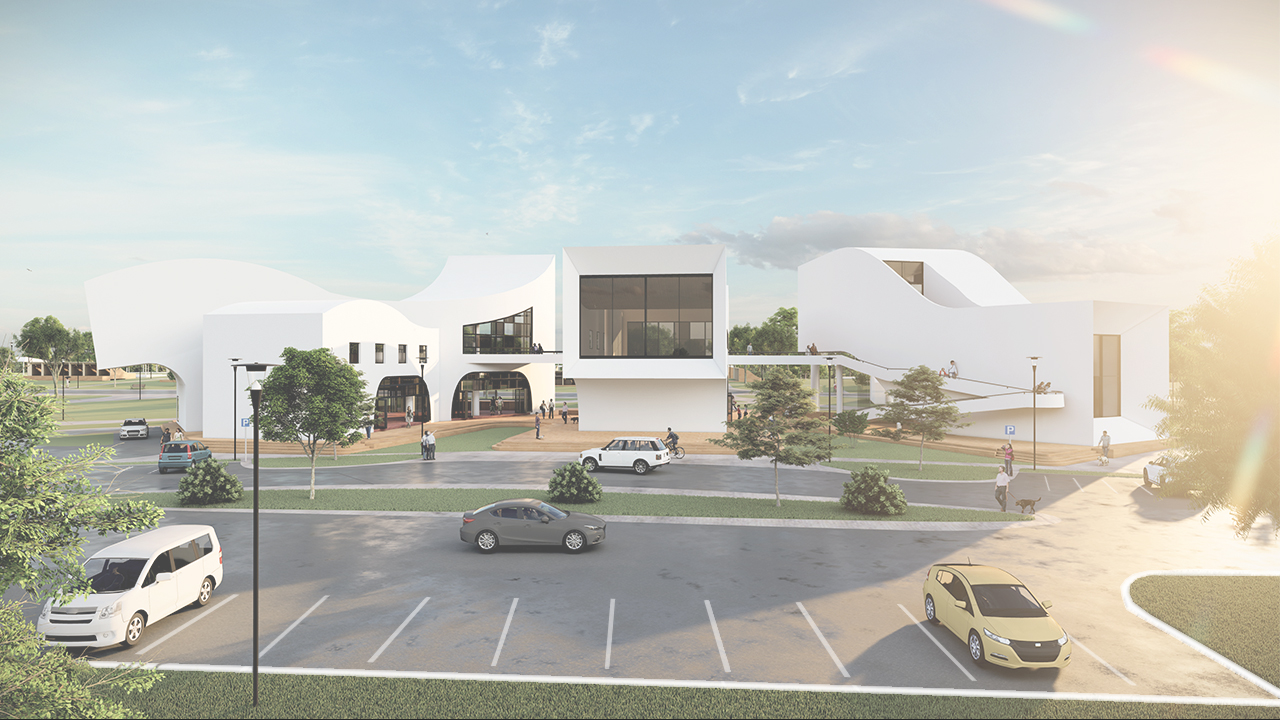
Situated within the open grounds of Durack, this project reimagines the traditional clubhouse and showground as a civic landscape for gathering, movement, and play. Balancing rational structure with fluid spatial gestures, the architecture draws from the behavior and social nature of dogs to create an environment of companionship, memory, and fun.
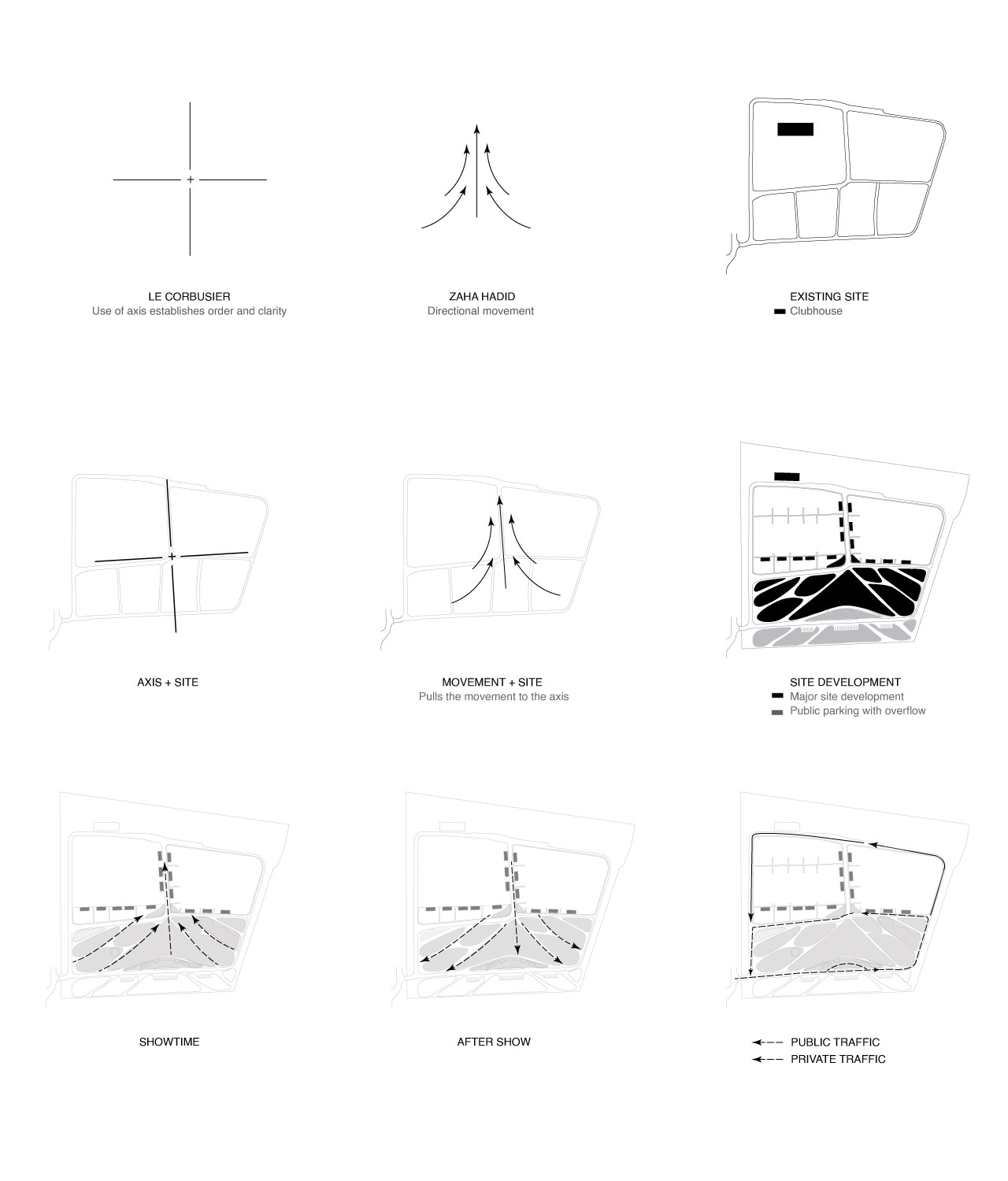
Movement Organises the Site
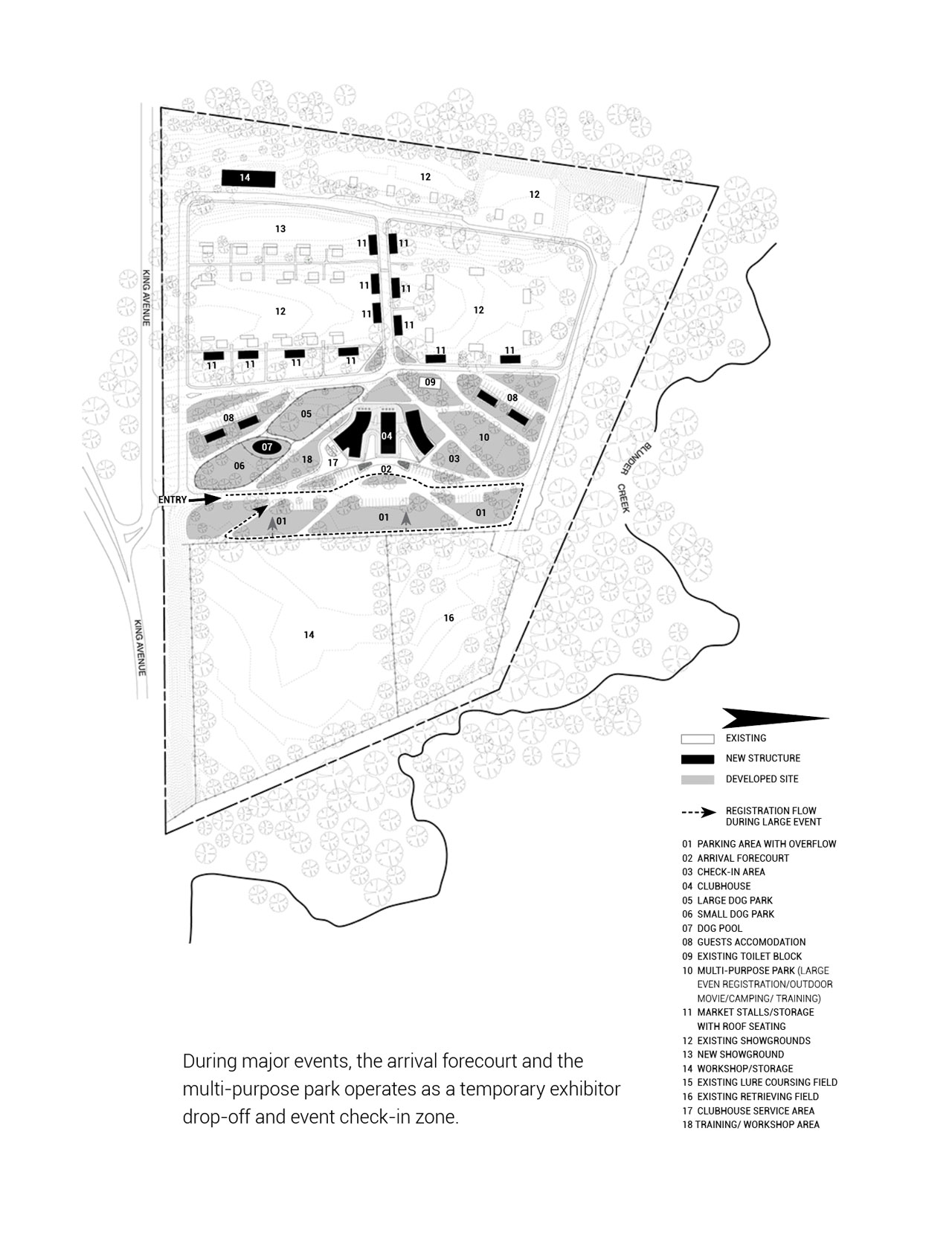
The site plan overlays axial order with directional movement, guiding visitors seamlessly while retaining existing showgrounds and access roads to allow operations to continue during construction.
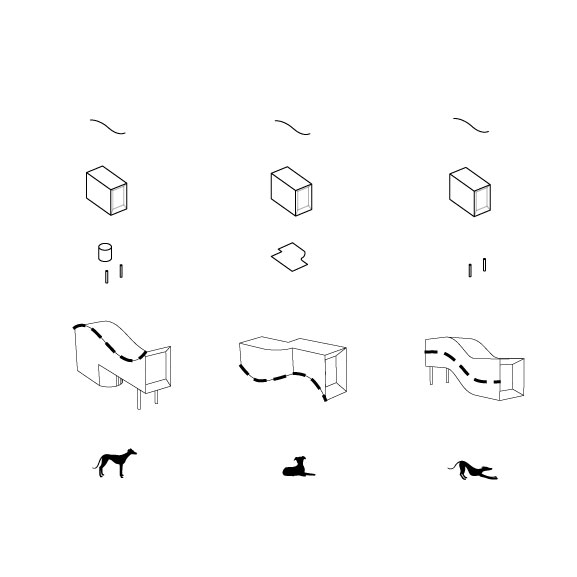
Behaviour Shapes the Architecture
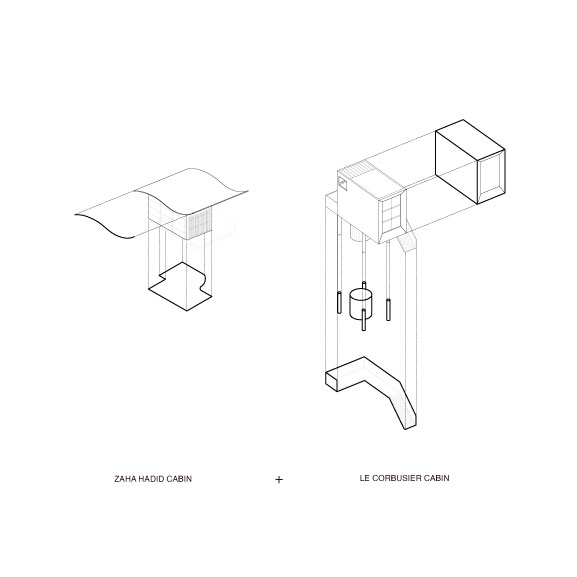
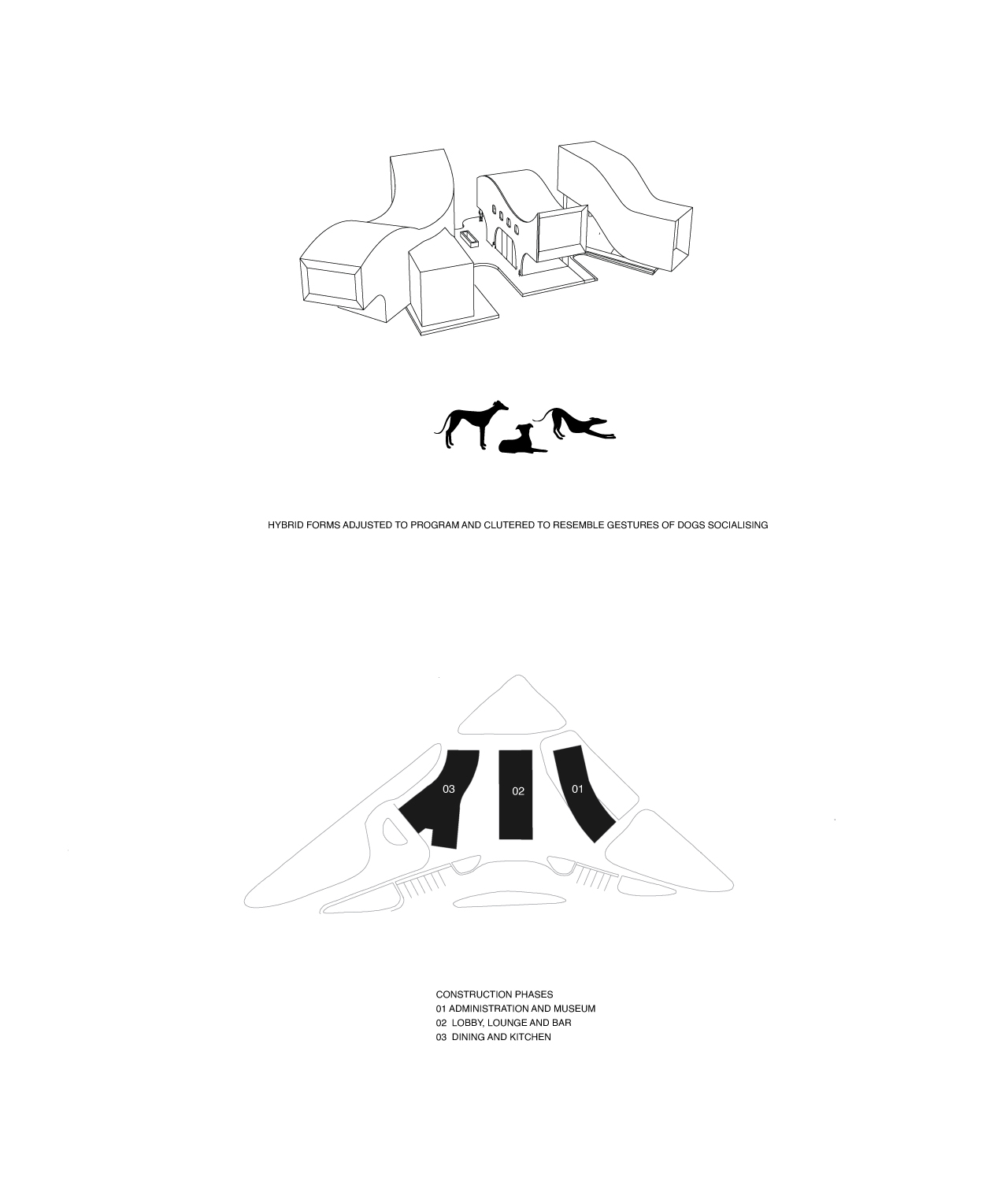
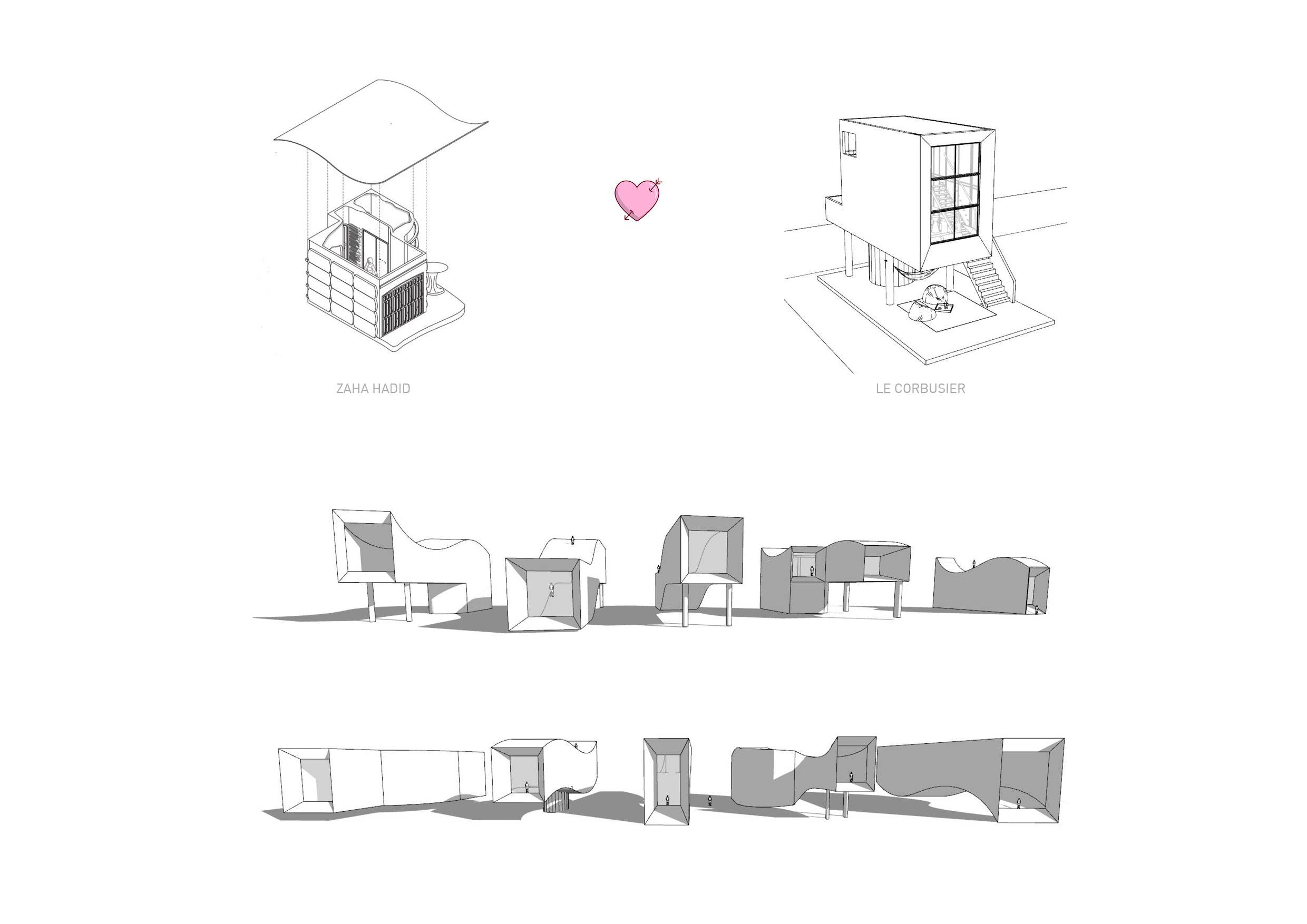
Drawing from Le Corbusier’s rational order and Zaha Hadid’s fluid formal language, distinct spatial systems were abstracted and reinterpreted through canine posture, movement, and social behaviour.
The Clubhouse
Spatial Choreography
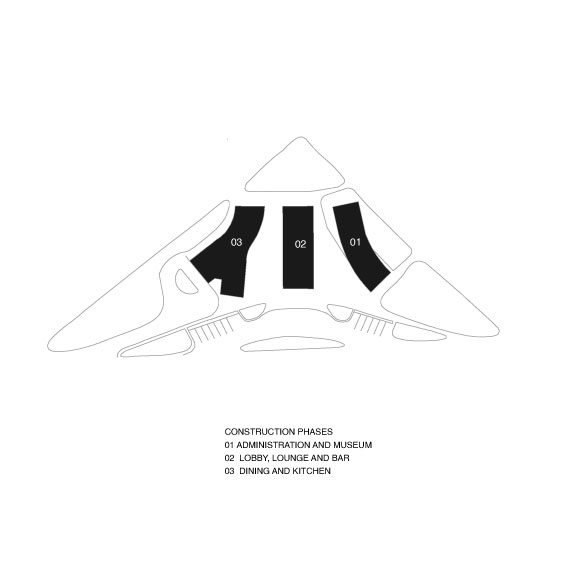
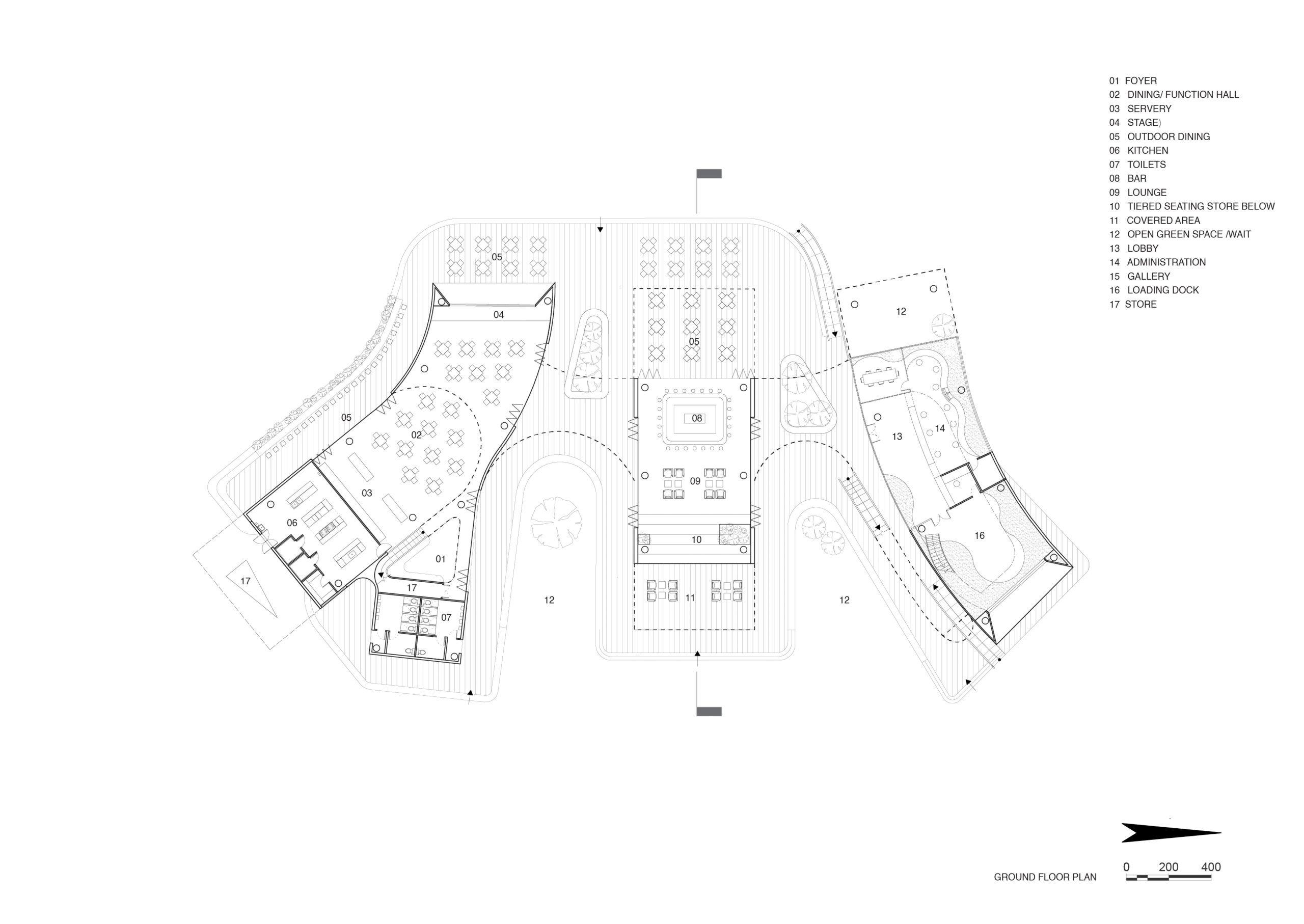
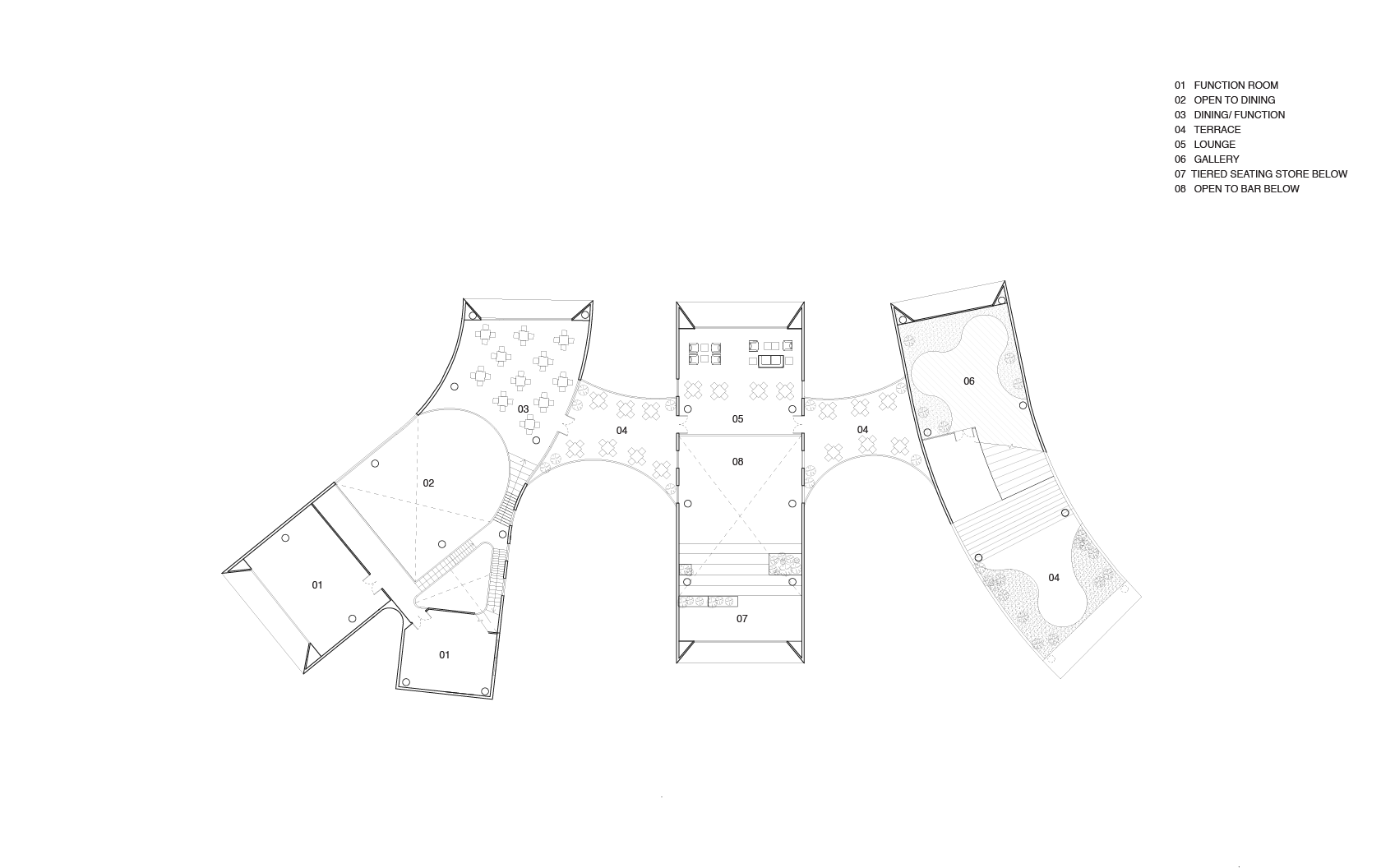
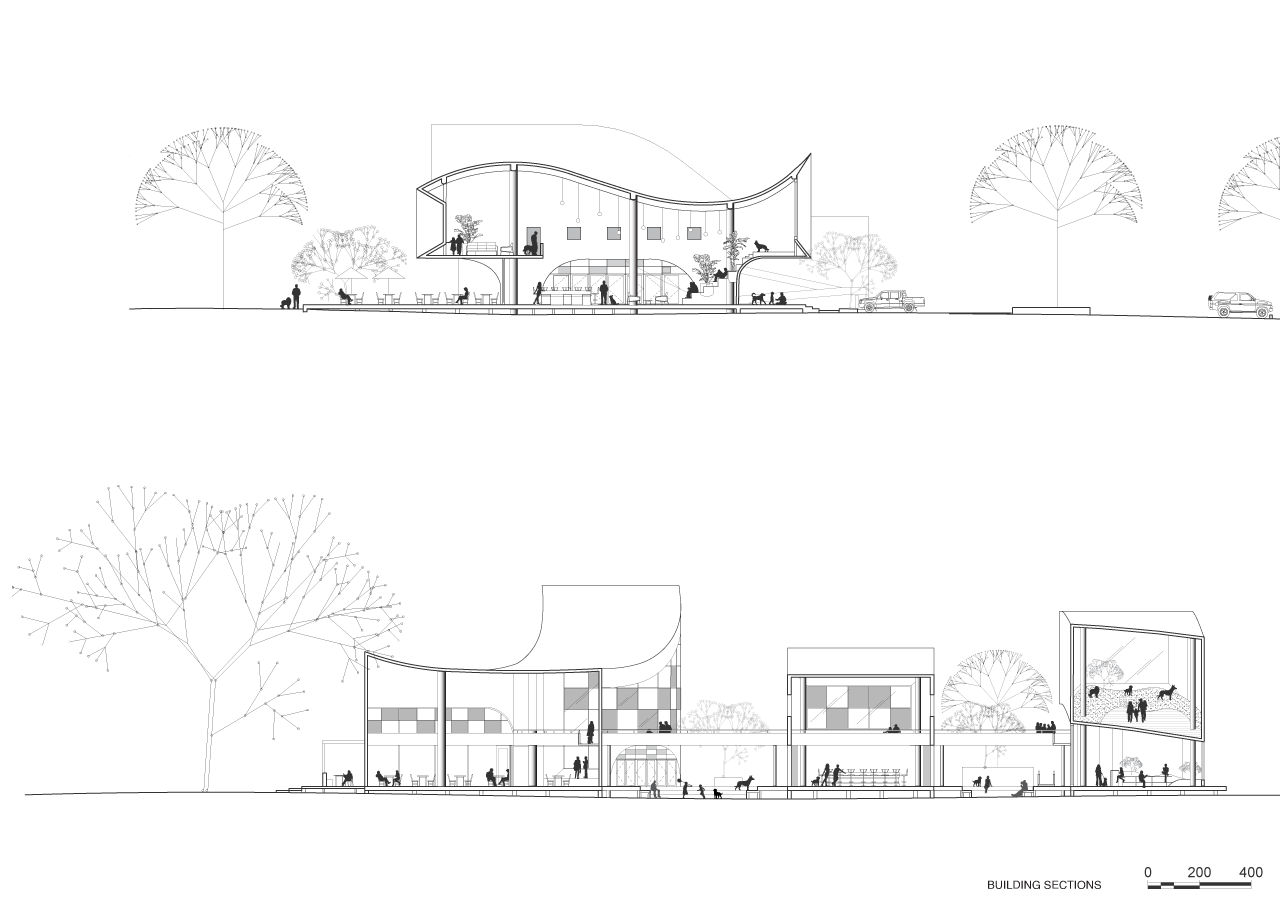
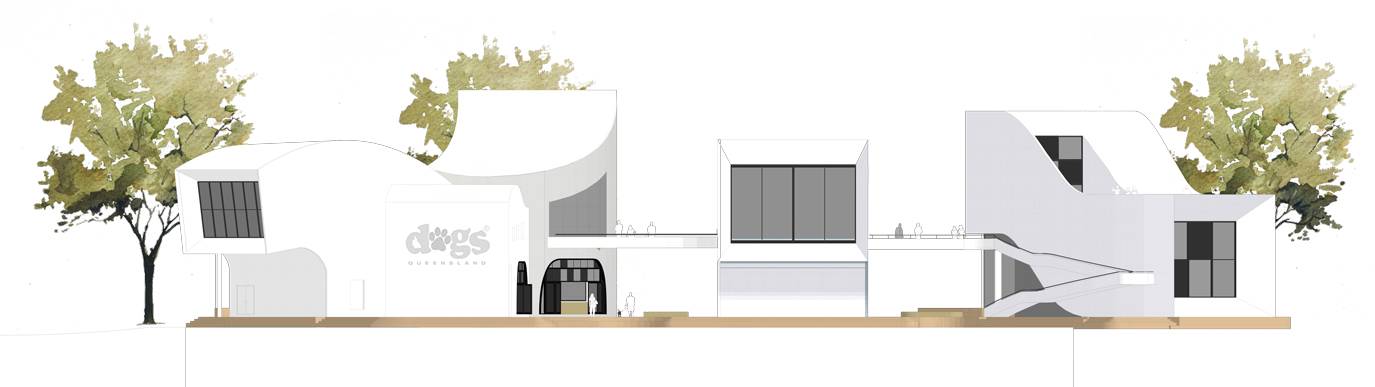
The clubhouse is organised as a continuous sequence of programmatic zones that support movement, gathering, and observation. Circulation paths weave between interior and exterior spaces, allowing human and canine interactions to overlap through shared spatial thresholds.
The Clubhouse Ground Floor Plan
The Clubhouse Upper Floor Plan
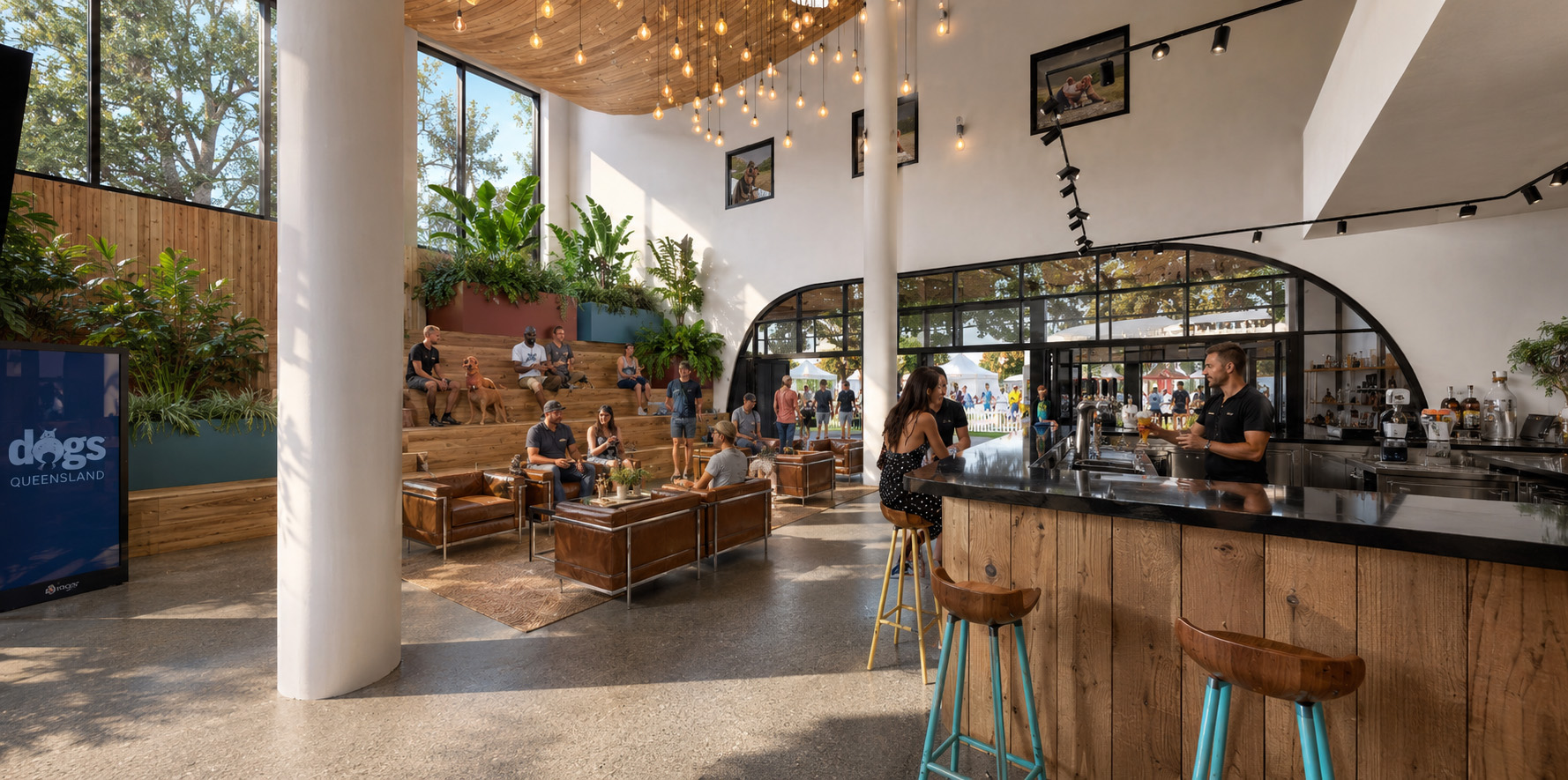
Lounge and Bar
Five Points of Architecture
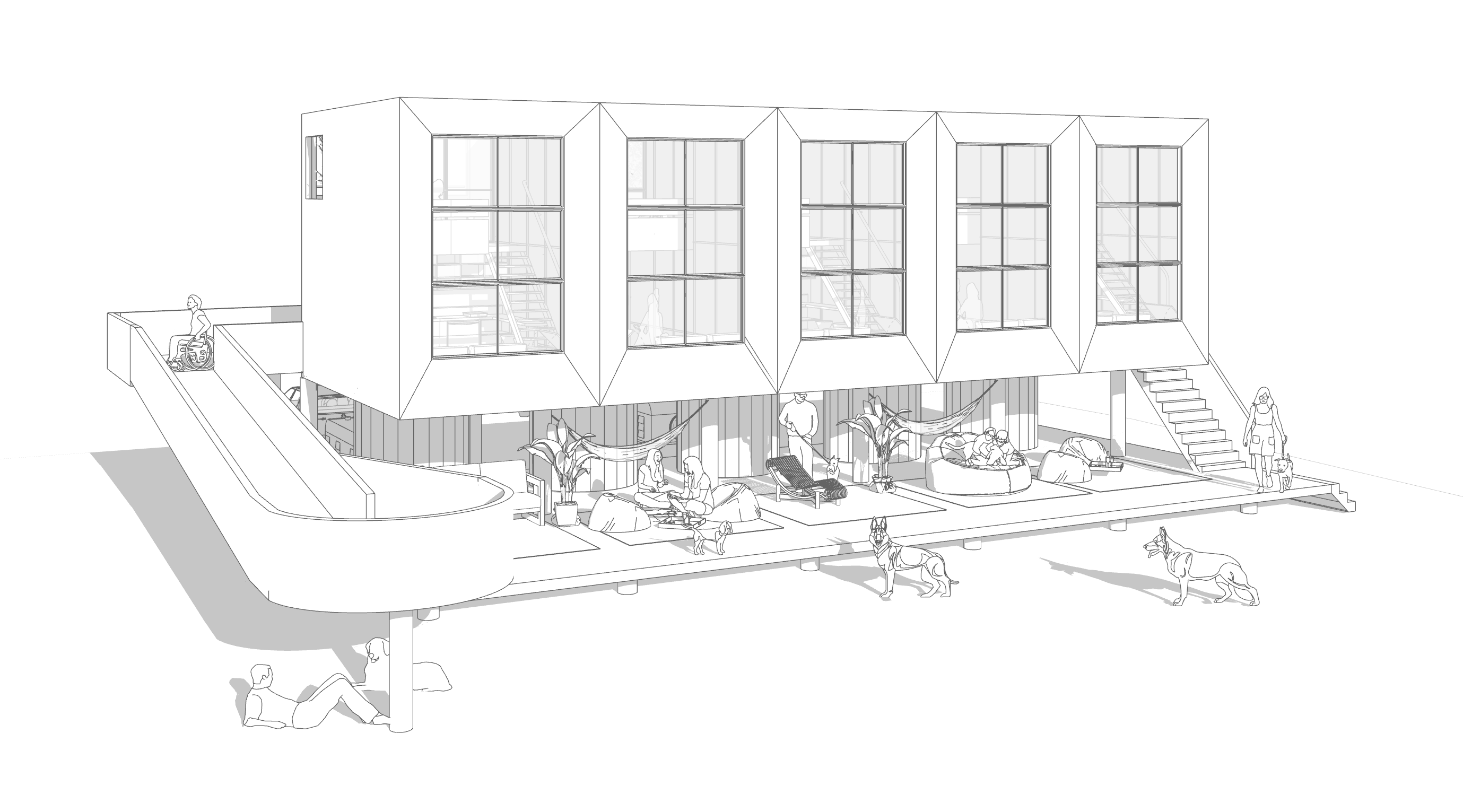
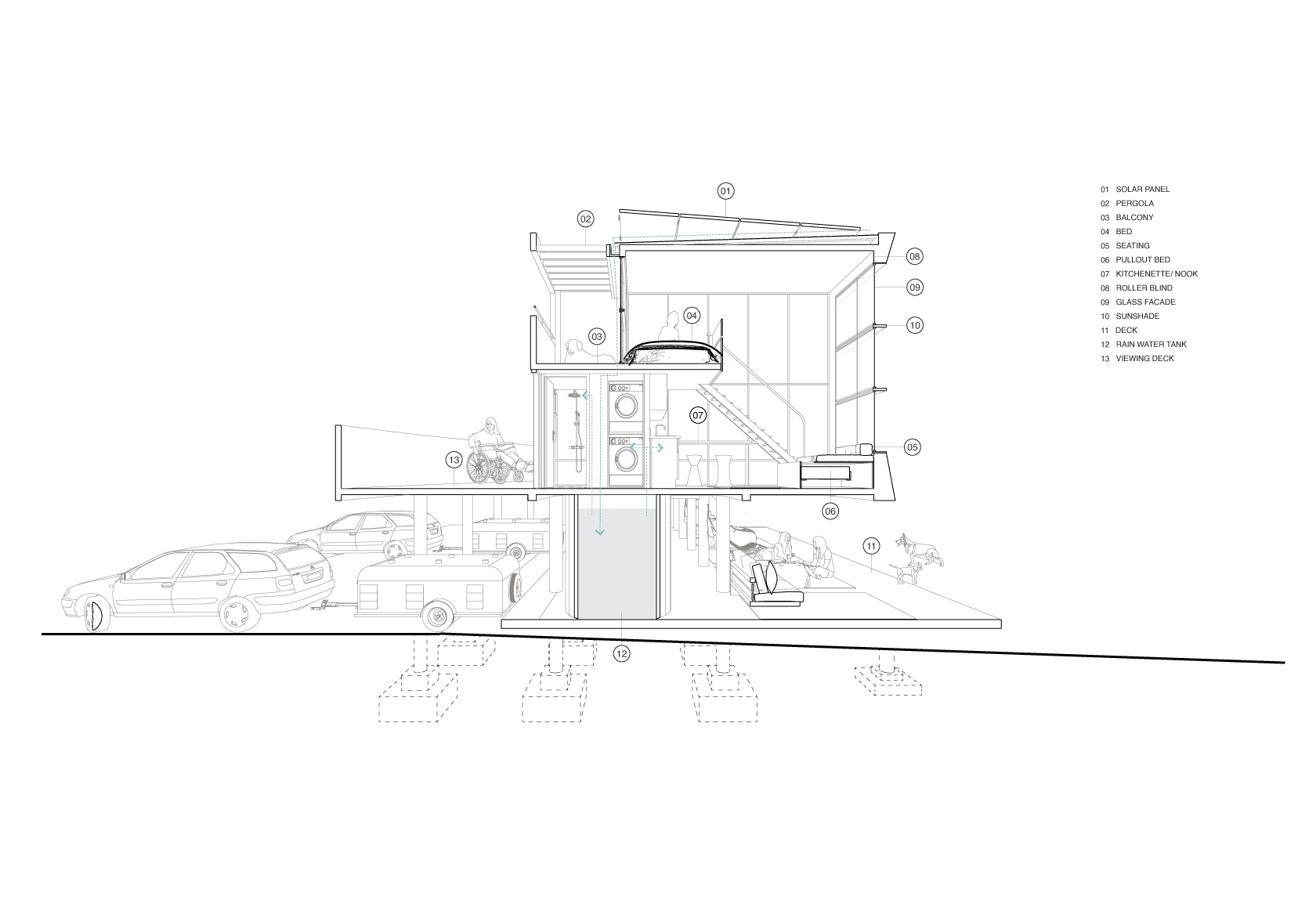
The cabins reinterpret Le Corbusier’s Five Points of Architecture:
Pilotis elevate the cabins, preserving communal space below.
Free plans and facades allow flexible layouts.
Expansive glazing provides panoramic views of the showgrounds.
Private balconies create a retreat for dogs and owners.
Each cabin is self-sustaining, equipped with solar power and rainwater harvesting. Ramps and stairs link the cabins, forming a communal deck below that encourages social interaction.
Reflection
This project was an exploration of how architecture can be enriched by ideas drawn from outside its discipline, revealing new ways to merge theory with practice. The hybridisation of Le Corbusier’s rationalism and Zaha Hadid’s fluidity produced forms that are at once playful and symbolic, reflecting the gestures and social nature of dogs themselves.
Beyond its immediate function as a clubhouse and showground, the project positions Durack as a community campus—a place of companionship, memory and fun. For me, it was a lesson in how architecture can simultaneously address pragmatic needs while embodying metaphors that resonate with the lives of its users.